
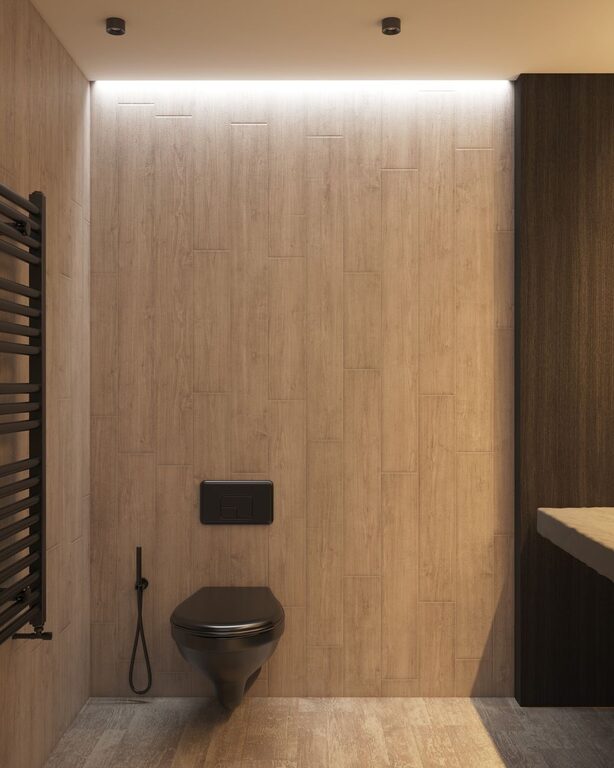
Creating a minimalist bathroom setup is an excellent way to transform your space into a peaceful, clutter-free retreat. Minimalism focuses on simplicity, functionality, and clean lines, making your bathroom feel brighter and more organized. Whether you have a small bathroom or a larger space, adopting minimalist principles can enhance both its appearance and usability.
In this guide, we’ll walk you through practical steps to achieve a minimalist bathroom setup. From choosing the right fixtures to decluttering and decorating, these tips will help you create a fresh, calming environment.
What Is a Minimalist Bathroom?
Before diving into the how-to, it’s helpful to understand what a minimalist bathroom means. Minimalism is a design style that embraces simplicity and the idea that “less is more.” In the bathroom, this translates to:
– Clean lines and simple shapes
– Limited color palette, often neutral tones
– Minimal decorations and accessories
– Functional, streamlined storage and fixtures
– Open, clutter-free spaces that feel light and airy
The goal is to create a space where every item has a purpose and no unnecessary objects distract from the clean aesthetic.
Step 1: Declutter and Simplify
The first and most important step in creating a minimalist bathroom is clearing out any clutter.
Tips for Decluttering:
– Remove everything from countertops and shelves. Only return daily essentials that you actually use.
– Sort through your toiletries and cosmetics. Toss expired products or items you no longer need.
– Limit decorative items. Choose one or two simple pieces if you want some personality, but keep it subtle.
– Use drawer organizers and trays to keep items neatly contained.
– Regularly clean and maintain the space to avoid clutter build-up.
Step 2: Choose a Neutral and Light Color Palette
Colors play a major role in minimalist design. Neutral tones create a calm atmosphere and make small bathrooms feel larger.
Recommended Colors:
– White or off-white
– Soft grays
– Beige or light taupe
– Pale pastels (used sparingly)
Avoid bold or bright colors, which can make the space feel busy. Keep walls, tiles, and fixtures in these neutral shades to create a unified look.
Step 3: Opt for Sleek Fixtures and Fittings
Minimalist bathrooms favor simple and modern fixtures that blend seamlessly with the design.
Consider:
– Floating vanities to create an open feel and add extra floor space.
– Wall-mounted faucets and toilets that reduce visual clutter.
– Clear glass shower enclosures instead of opaque curtains or bulky doors.
– Simple, geometric shapes for sinks, tubs, mirrors, and lighting.
Choose materials like matte or polished chrome, stainless steel, or matte black to maintain a clean aesthetic.
Step 4: Maximize Storage with Minimal Impact
Storage is vital in any bathroom, but it’s especially important in minimalism to keep surfaces clear.
Storage ideas:
– Built-in shelves or niches in the shower or walls for storing toiletries.
– Under-sink cabinets or drawers to hide away essentials.
– Minimalist baskets or containers made from natural materials like bamboo or woven fabric.
– Medicine cabinets with mirrored fronts to combine storage and functionality.
Avoid bulky storage units or anything overly ornate. The goal is to keep items out of sight while maintaining accessibility.
Step 5: Add Simple, Functional Accessories
Accessories should be purposeful and minimal. Overdecorating can quickly ruin the minimalist vibe.
Accessory suggestions:
– A small, elegant soap dispenser and toothbrush holder
– A minimal towel rack or hooks for hand towels and bath towels
– Planters with small greenery like a succulent or air plant for a natural touch
– Soft, plain towels in neutral colors to add texture without visual clutter
Try to stick to one or two accessories rather than filling every available space.
Step 6: Use Lighting to Enhance the Space
Lighting can make a big difference in creating a fresh, airy atmosphere.
Lighting tips:
– Use natural light whenever possible by keeping window treatments minimal.
– Choose simple, streamlined light fixtures—such as recessed lighting or slim vanity lights.
– Use soft white bulbs that mimic natural daylight.
– Add a backlit mirror or subtle LED strip lighting for a modern touch.
Proper lighting helps the bathroom feel larger and cleaner.
Step 7: Keep Maintenance Simple
The beauty of a minimalist bathroom is that it’s easier to clean and maintain.
Maintenance tips:
– Use easy-to-clean surfaces such as large tiles or waterproof wall panels.
– Regularly wipe down counters and sinks to prevent buildup.
– Avoid overcrowding with products that require frequent cleaning.
– Keep routines simple to maintain the calm environment you’ve created.
Final Thoughts
Creating a minimalist bathroom takes some planning and effort, but the result is a space that feels peaceful, bright, and inviting. By focusing on essential items, choosing the right colors and fixtures, and keeping everything tidy, you can enjoy a bathroom that’s both stylish and practical.
Minimalism is not about having a bare room—it’s about intentional design and mindful choices. Your minimalist bathroom can become a serene personal retreat where you start and end your day with calm clarity.
Start small and gradually simplify your bathroom setup. Remember, the best minimalist space is one that works well for your lifestyle and makes you feel relaxed every time you step inside.