
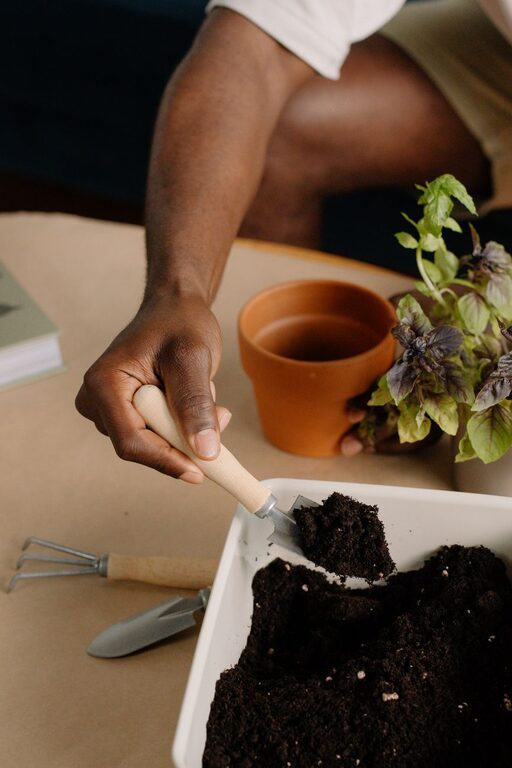
Growing fresh herbs indoors is a rewarding and accessible hobby, even if you have limited space. An indoor herb garden provides a convenient source of flavorful greens for cooking, adds a touch of greenery to your home, and can be a fun project to nurture. Whether you have a sunny windowsill or a small corner in your kitchen, you can start a small herb garden with just a few supplies and some care.
In this guide, we’ll walk you through everything you need to know to get started with indoor herb gardening—from choosing the right herbs to caring for your plants.
Why Grow Herbs Indoors?
Indoor herb gardens offer several advantages:
– Freshness on Demand: Pick herbs as you need them, ensuring maximum flavor and nutrients.
– Convenience: No need for outdoor space or a large garden—perfect for apartments or small homes.
– Cost-Effective: Saves money on buying fresh herbs at the store.
– Year-Round Growth: Control the environment so your herbs can thrive regardless of season.
– Decoration: Adds natural beauty and a pleasant aroma to your living space.
Choosing the Right Herbs for Indoor Gardening
Some herbs adapt better to indoor conditions than others. When starting, consider these beginner-friendly options:
– Basil: Loves bright light and warmth.
– Parsley: Requires moderate light and regular watering.
– Mint: Grows well indoors but can spread quickly; best kept in a separate pot.
– Chives: Easy to grow with bright light.
– Thyme: Prefers lots of light and well-drained soil.
– Cilantro: Needs cooler temperatures and moderate light.
– Oregano: Thrives in bright, direct light and dry conditions.
What You’ll Need to Start
Before planting, gather the following:
– Containers: Small pots or containers with drainage holes. Ceramic, plastic, or terracotta all work fine.
– Potting Mix: Use a lightweight, well-draining potting soil designed for indoor plants.
– Seeds or Starter Plants: Beginners may find it easier to start with seedlings.
– Watering Can or Spray Bottle: For gentle watering.
– Labels: To keep track of your herbs.
– Grow Lights (Optional): Useful if your space doesn’t get enough natural light.
Step-by-Step Guide to Starting Your Indoor Herb Garden
Step 1: Find the Right Location
Herbs generally need 6 to 8 hours of sunlight each day.
– Place your containers near a south- or west-facing window for the most light.
– If natural light is limited, consider investing in LED grow lights.
– Avoid locations with drafts or drastic temperature changes.
Step 2: Prepare Your Containers
– Ensure each container has drainage holes to prevent water buildup, which can cause root rot.
– Fill the containers with potting mix, leaving about an inch from the top.
Step 3: Planting Seeds or Seedlings
– For seeds: Follow packet instructions on planting depth and spacing.
– For seedlings: Gently remove from their nursery pots and plant at the same soil depth.
– Lightly water the soil to moisten it but avoid soaking.
Step 4: Watering and Humidity
– Keep the soil consistently moist but not soggy.
– Most herbs prefer to dry out slightly between watering.
– Indoor air can be dry, so mist the plants occasionally or place a tray of water nearby to increase humidity.
Step 5: Feeding Your Herbs
– Use a balanced, water-soluble fertilizer every 4 to 6 weeks during the growing season.
– Avoid over-fertilizing, which can reduce flavor intensity.
Step 6: Pruning and Harvesting
– Regular trimming encourages bushier growth.
– Harvest outer leaves first and avoid cutting more than one-third of the plant at a time.
– Pinch off flowers as they appear to prolong leaf production.
Tips for Success
– Rotate your plants weekly if light is coming from one direction to ensure even growth.
– Watch for pests such as aphids or spider mites; wipe leaves with a damp cloth if needed.
– Keep an eye on soil moisture; pots can dry out quickly indoors.
– Label each herb, especially if you’re growing multiple varieties.
– Start small; you can always expand your garden as you gain confidence.
Common Challenges and How to Overcome Them
| Problem | Cause | Solution |
|———————|——————————–|————————————-|
| Yellowing leaves | Overwatering or poor light | Adjust watering; increase light |
| Wilting plants | Underwatering or heat stress | Water properly; move to cooler spot |
| Leggy growth | Insufficient light | Add grow lights or move to brighter area |
| Pests | Dry conditions or contamination| Regular inspection; natural pest control |
Conclusion
Starting a small herb garden indoors is an enjoyable way to brighten your home and enhance your cooking with fresh flavors. With the right location, care, and a little patience, your indoor herbs will thrive and bring you satisfaction all year long. Remember, gardening is a learning process—don’t be afraid to experiment and find what works best for your space.
Ready to get planting? Gather your materials and enjoy the fresh taste and aroma of homegrown herbs in your kitchen!